Dog Tail Language: What Your Dog’s Tail Is Really Telling You

Updated: Jul 26
Have you ever wondered what your dog is trying to say when their tail starts wagging?
Although dogs cannot communicate with words, they are constantly sharing their feelings with us through their body language. A small tail movement, a change in posture, or the way they look at you can reveal a lot about their emotions.
Learning to understand your dog’s tail language is a wonderful way to become a better companion and build a stronger connection with your furry friend.
Because sometimes, your dog has already told you how they feel. We just need to learn how to understand them.

Why Is Tail Language Important?
A dog’s tail is an important part of the way they communicate. Different tail positions and movements can express different emotions, including happiness, excitement, curiosity, fear, or uncertainty.
However, it is important to remember that a wagging tail does not always mean a dog is happy. To understand what your dog is feeling, you should also pay attention to their ears, eyes, facial expression, and overall body posture.
Your dog’s tail is only one part of their story, but it can tell us a lot when we learn how to read it.
What Different Tail Movements Mean
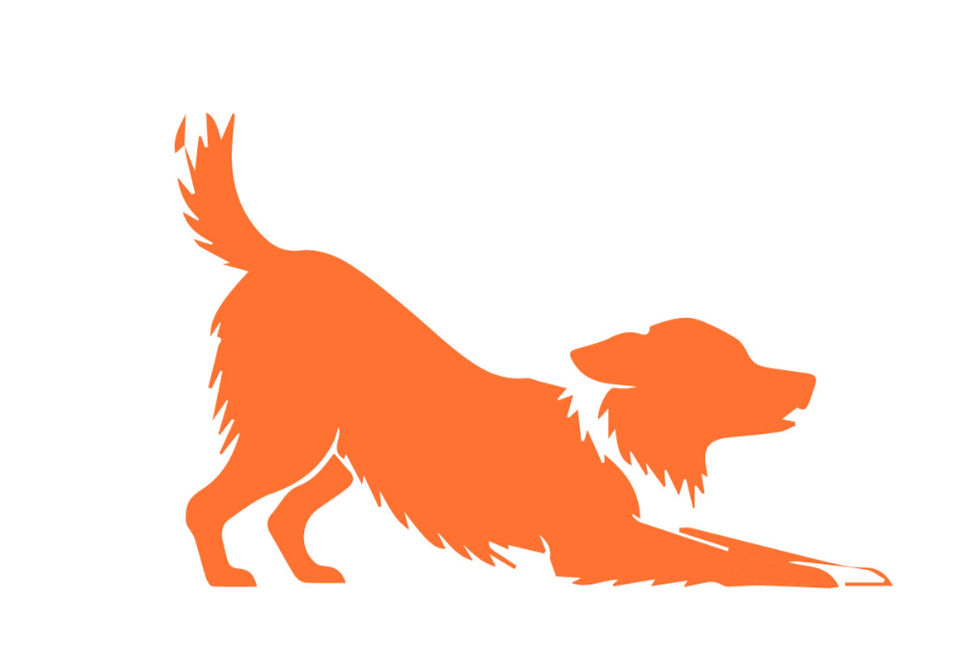
Tail wagging to the right
“Yay! I’m so happy to see you!”
A right-side tail wag often shows positive emotions. Your dog may feel happy, excited, and comfortable around you.

Tail held straight like a detector
“Wait… what’s that? Let me check it out.”
Your dog is curious and focused, using their tail and body language to show they’re carefully observing something new.
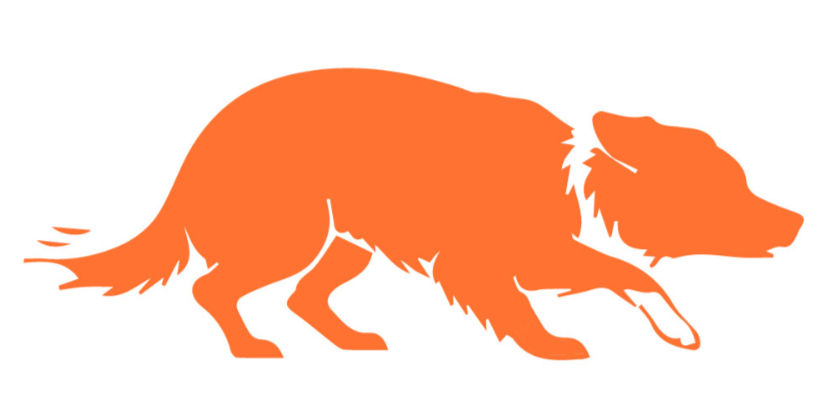
Tail tucked tightly between the legs
“I’m a little scared… Can you stay with me?”
A tucked tail usually means your dog feels afraid, nervous, or insecure and may need comfort and reassurance.

Tail stiff and upright like a feather duster
“Something caught my attention. I need to stay alert.”
A stiff, raised tail can be a sign that your dog is feeling tense, cautious, or highly aware of their surroundings.

Tail raised high and spinning like a propeller
“I can’t contain my excitement!”
This big tail movement often happens when dogs see their favorite person, a beloved toy, or something they love.

Lightning-fast tail wag + 8-shaped body wiggle
“I’m SO happy I don’t know what to do with myself!”
The ultimate happy dance! Your dog is overflowing with excitement and joy.

Tail hanging low and gently swaying
“Hmm… I’m not sure yet. Let me take a look.”
A low, gentle wag may show uncertainty or hesitation while your dog is processing a new situation.

Tail circling to the left
“I don’t feel comfortable… I might need some space.”
A left-side tail movement may be linked with negative emotions such as fear, stress, or anxiety.
A Wagging Tail Is Only One Part of Communication
Every dog has their own personality and their own way of expressing emotions.
Some dogs are naturally more expressive with their tails, while others communicate more through their eyes, ears, or movements.
The more time you spend with your dog, the easier it becomes to recognize their unique signals. You will begin to notice the little moments that make your relationship special, such as the excitement before a walk, the happy steps toward their favorite toy, or the gentle wag when they see you.
These small expressions are what make life with dogs so meaningful.
Creating More Happy Moments Together
Understanding your dog’s emotions helps you create better experiences for them, whether you are playing together at home or exploring the outdoors.
During evening walks, paying attention to your dog’s behavior can help you understand whether they feel relaxed and confident while enjoying their surroundings.
At Laroo, we believe every walk is a special moment shared between pets and their families. Our LED collars and walking lights are designed to help dogs stay visible during nighttime adventures, allowing pet parents and their furry companions to enjoy more comfortable and memorable walks together.
Light for Love. Bringing brighter moments to every adventure.
Final Thoughts
Your dog may not speak human language, but they are always communicating with you.
By learning to understand their tail movements and body signals, you can better recognize their emotions and build a deeper bond with your furry friend.
Every wag, every walk, and every adventure is a special moment worth cherishing.




Comments