Dog Heatstroke: How to Recognize the Signs and Help Keep Your Dog Safe


Summer means more time outside with your dog. Walks in the park, outdoor play, and weekend adventures are some of the best parts of having a dog. However, warmer weather also brings a risk that every pet parent should be aware of: heatstroke.
Dogs do not cool their bodies the same way humans do. While we regulate our temperature through sweating, dogs mainly rely on panting to release heat. They also have a limited ability to sweat through their paw pads. When the surrounding temperature becomes too high, especially during hot and humid days, their body may struggle to cool down effectively.
Heatstroke can happen faster than many owners expect. A dog that seems happy and energetic during a walk may already be showing early signs of overheating. Understanding why heatstroke happens, what symptoms to watch for, and what to do in an emergency can help you protect your dog during the summer months.
Why Do Dogs Get Heatstroke?
A dog’s body temperature can rise quickly when they are exposed to heat for too long or when they cannot release heat efficiently. One of the most common causes is exercising during hot weather. Many dogs love chasing toys, running, and exploring, and they may continue playing even when their body needs a break.
Environmental factors can also increase the risk. A parked car, direct sunlight, hot pavement, or a lack of fresh water can create dangerous conditions for dogs in a short amount of time.
Some dogs are naturally more sensitive to heat than others. Breeds with short noses, such as Bulldogs and Pugs, often have more difficulty breathing efficiently and cooling themselves down. Dogs with thick coats, older dogs, puppies, overweight dogs, and dogs with certain health conditions may also require extra attention during hot weather.

What Are the Signs of Heatstroke in Dogs?
The earliest sign many owners notice is excessive panting. Panting after exercise is normal, but if your dog continues to breathe heavily even after stopping activity and resting, it may be a sign that they are struggling to regulate their body temperature.
Changes in your dog’s mouth can also provide important clues. A healthy dog’s tongue and gums are usually pink, but overheating may cause the gums or tongue to appear bright red. In more serious cases, they may become dark red, pale, purple, or bluish. These changes should always be considered together with other symptoms, as tongue color alone cannot confirm heatstroke.
Other warning signs include excessive drooling, tiredness, restlessness, and changes in normal behavior. A dog that suddenly refuses to walk, seems confused, loses coordination, or has trouble standing may need immediate help.
In severe cases, heatstroke can lead to vomiting, diarrhea, collapse, seizures, or loss of consciousness. These are emergency signs that require veterinary attention.
What Should You Do If Your Dog Has Heatstroke?
If you suspect your dog is experiencing heatstroke, acting quickly can make a significant difference. The goal is to lower your dog’s body temperature safely while getting professional help as soon as possible.
Move Your Dog Away From the Heat Immediately. Stop all activity and move your dog to a cooler environment as soon as possible. An air-conditioned room is ideal, but a shaded area with good airflow can also help while you prepare to leave.
If someone is with you, ask them to contact your veterinarian or emergency clinic while you begin cooling your dog.
Cool Your Dog With Cool Water, Not Ice Water. Begin cooling your dog with cool (not cold or ice) water. You can use a hose, shower, or buckets of water to gently wet their body.
Focus on areas where blood vessels are closer to the surface, including the belly, paws, neck, inner legs, and armpit areas.
Keeping the water fresh and moving can help remove heat more effectively. Avoid using ice or extremely cold water, as sudden temperature changes may cause the blood vessels to narrow and slow down heat release.
Improve Airflow and Offer Water Carefully
Once your dog is wet, increasing airflow can help speed up the cooling process. Use a fan if available, or turn on the air conditioning during transportation.
If your dog is alert and able to swallow normally, you can offer small amounts of cool water. Do not force water into your dog’s mouth, especially if they appear weak, confused, or unable to drink normally.
Continue Monitoring While Cooling
If you have a pet thermometer and your dog allows you to safely check their temperature, monitoring can help guide the cooling process.
Once your dog’s temperature returns to around 103°F (39.4°C), stop active cooling to avoid causing their body temperature to drop too low.
If you cannot safely check their temperature, focus on cooling for a short period and continue preparing for veterinary care.
Visit a Veterinarian Even If Your Dog Seems Better
A dog recovering from heatstroke may appear normal again, but internal damage can still occur after the body has overheated.
Heatstroke can affect organs and may cause complications that are not immediately visible. For this reason, any suspected case of heatstroke should be evaluated by a veterinarian as soon as possible.
How Can You Help Prevent Heatstroke?
The best way to protect your dog is to prevent overheating before it happens. Try scheduling walks during cooler parts of the day, such as early morning or evening, and avoid intense exercise when temperatures are at their highest.
Always make sure your dog has access to fresh water and a comfortable place to rest. Before walking on pavement, check the surface with your hand. If it feels too hot for you, it may also be uncomfortable for your dog’s paws.
During summer, adding cooling activities to your dog’s routine can also help them stay comfortable after outdoor play.
A Fun Way to Cool Down with LaRoo
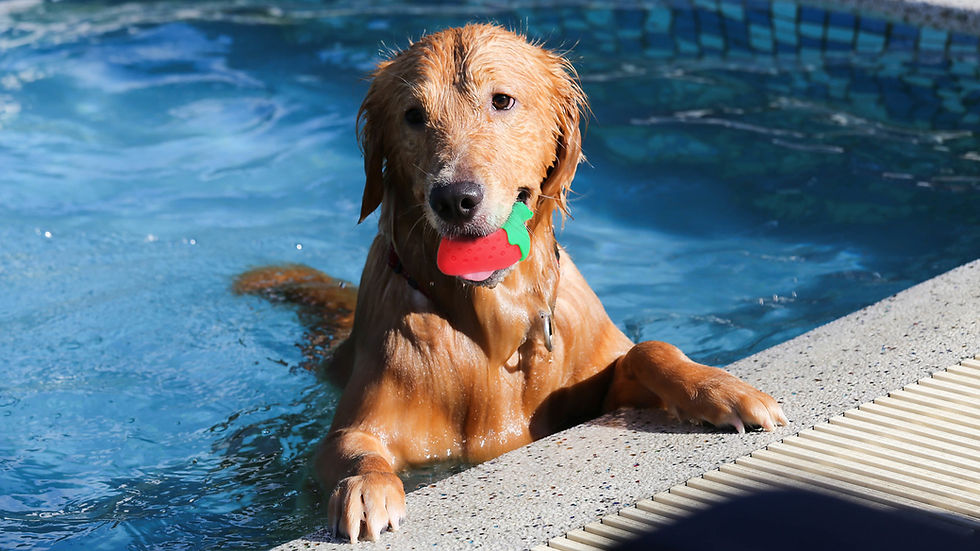
After a walk or an active play session, many dogs enjoy a relaxing way to cool down.
The LaRoo Ice Cream Cooling Toy turns summer cooling into a fun activity. Simply add water, freeze it, and let your dog enjoy licking and chewing while taking a refreshing break.
Made with high-quality silicone, it provides an engaging experience for dogs while adding more comfort to warm summer days. Whether your dog needs a quiet activity at home or a refreshing moment after outdoor adventures, LaRoo makes cooling time more enjoyable.
Frequently Asked Questions About Dog Heatstroke
Q1: What is heatstroke in dogs?
Heatstroke is a dangerous condition where a dog’s body temperature rises too high and they are unable to cool down effectively. Without timely action, it can become life-threatening.
Q2: How quickly can a dog develop heatstroke?
Heatstroke can develop quickly, especially during hot and humid weather or after intense exercise. Even a short period of exposure to high temperatures can put some dogs at risk.
Q3: Can I cool my dog down with ice water?
No. Ice water is not recommended because sudden cooling may cause blood vessels to constrict and can interfere with the body’s natural cooling process. Use cool water instead.
Q4: Which dogs are more likely to suffer from heatstroke?
Dogs with short noses (such as Bulldogs and Pugs), thick coats, puppies, senior dogs, overweight dogs, and dogs with certain health conditions may be more sensitive to heat and require extra care during summer.
Q5: When should I take my dog to the veterinarian?
Seek veterinary help immediately if your dog shows severe symptoms such as collapse, seizures, vomiting, confusion, difficulty breathing, or if their condition doesn't improve after cooling.
Enjoy a Safer Summer With Your Dog
Heatstroke can be serious, but with the right knowledge and preparation, many risks can be avoided.
By understanding how heatstroke happens, recognizing the early warning signs, and knowing how to respond, you can help your dog enjoy more safe and happy moments throughout the summer.
Because every adventure is better when your dog is comfortable, healthy, and ready to play.



Comments